 Image 1 of 1
Invigorating Herbal Massage Oil
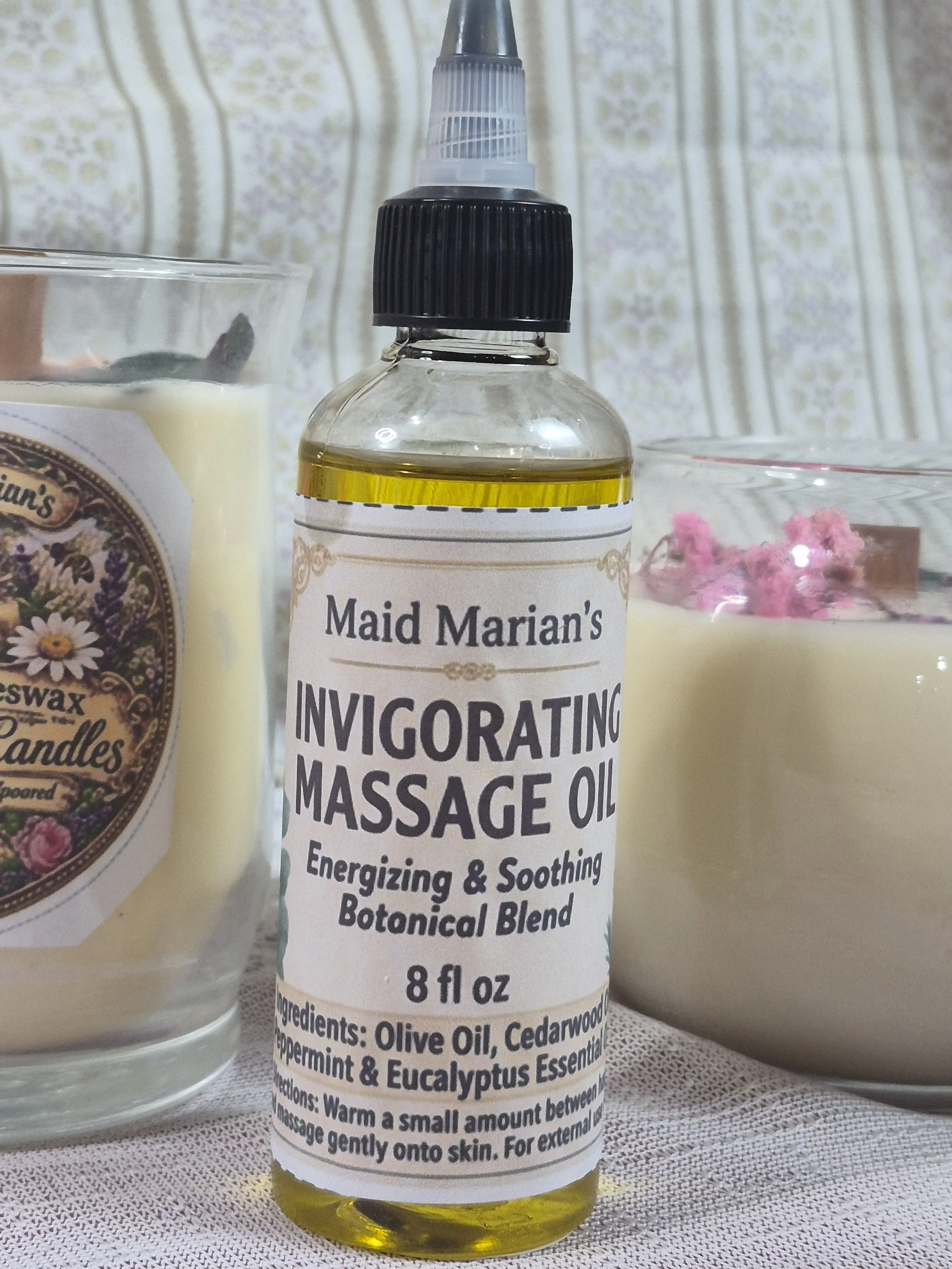
Invigorating herbal massage oil is a light, fast-absorbing blend formulated to awaken the senses, improve circulation, and ease muscle tension. Typically built on a non-greasy carrier oil such as grapeseed, sweet almond, or fractionated coconut oil, it is infused with an aromatic blend of energizing essential oils and supportive herbal extracts.
Scent and sensory profile
Fresh, bright top notes from peppermint, eucalyptus, or citrus (bergamot, lemon) that deliver an immediate cooling or uplifting sensation.
Herbal-green heart notes from rosemary, basil, or thyme that reinforce alertness and clarity.
Warm, grounding base notes such as ginger or black pepper that add depth and stimulate circulation.
Cooling and tingling sensations are common when menthol-containing botanicals (peppermint, eucalyptus) are present, while warming botanicals (ginger, cinnamon) produce gentle heat.
Functional benefits
Stimulates local blood flow and lymphatic drainage, helping reduce stiffness and speed post-exercise recovery.
Relieves muscle tension and soothes soreness through a combination of manual technique and herbal action.
Enhances mental alertness and reduces feelings of fatigue due to uplifting aromatic compounds.
Supports relaxation without heavy sedation—suitable when you want rejuvenation rather than sleepiness.
Can be used pre- or post-workout, during short therapeutic sessions, or as a revitalizing daily massage.
Common ingredients and their roles
Carrier oils: grapeseed, sweet almond, jojoba, fractionated coconut — lightweight, spreadable, and skin-conditioning.
Essential oils: peppermint (cooling, invigorating), eucalyptus (respiratory support, cooling), rosemary (circulatory stimulant, clarifying), ginger (warming, analgesic), lemon/bergamot (uplifting, bright).
Herbal extracts or infusions: arnica (anti-inflammatory, bruise recovery), calendula (soothing), comfrey (traditionally used for tissue support).
Botanical additives: menthol or camphor in small amounts for pronounced cooling/tingling effects.
Optional additives: vitamin E (antioxidant, preservative), tocopherols for shelf stability, and light natural preservatives if water or hydrosols are present.
How to use safely
Patch-test first: apply a small amount to forearm and wait 24 hours for sensitivity.
Dilution: keep essential oil concentration appropriate for topical use—commonly 1–3% for general massage; lower for sensitive skin.
Avoid broken skin, mucous membranes, and contact with eyes.
Use caution with heat-sensitive conditions, pregnancy (avoid certain essential oils like rosemary and high-dose peppermint), young children, and people with cardiovascular or respiratory conditions—consult a healthcare professional when in doubt.
Packaging and storage
Typically sold in amber or cobalt glass bottles to protect essential oils from light.
Store in a cool, dry place away from direct sunlight; keep caps tight to preserve fragrance and efficacy.
Shelf life varies by carrier oil and additives but generally ranges from 6 months to 2 years.
Applications and settings
Sports and recovery: warming and stimulating blends for athletes and active people.
Spa and wellness: invigorating treatments to energize clients during daytime services.
Home use: short morning or mid-day massages to refresh body and mind, or as part of a self-care routine.
An invigorating herbal massage oil combines aromatic stimulation, targeted botanical support, and skin-nourishing carriers to deliver a restorative, awakening experience—ideal for lifting energy, relieving tension, and supporting active lifestyles.